
Maintaining a healthy diet can feel overwhelming, especially with a busy schedule. But planning your meals in advance can transform your nutrition habits, save time, and reduce stress. By dedicating just a few hours each week, you can ensure that you and your family enjoy well-balanced, delicious meals every day.
Nutri Boost Daily emphasizes the importance of building a meal planning routine that evolves with your lifestyle and nutritional needs. In this guide, we’ll walk you through practical steps to plan healthy meals for the entire week.
Why Planning Healthy Meals Matters
Meal planning is more than just convenience-it’s a powerful tool to support your health goals. Here’s why it matters:
- Balanced Nutrition: Planning helps you include all essential nutrients-proteins, healthy fats, complex carbs, vitamins, and minerals.
- Saves Time & Money: Avoid last-minute unhealthy takeout by prepping meals in advance.
- Reduces Food Waste: Knowing what you need allows you to buy only what’s necessary.
- Supports Weight Management: Planned meals help control portion sizes and avoid impulsive snacking.
By adopting a structured meal planning habit, you’re more likely to stick to a healthy diet consistently.
Step 1: Assess Your Weekly Schedule
Before you plan meals, understand your week’s flow. Ask yourself:
- How many meals will I cook vs. eat out?
- Which days are busier and need quicker meals?
- Are there social events or gatherings affecting meal timing?
Creating a schedule helps tailor your meal plan realistically, avoiding over-ambitious plans that lead to frustration.
Step 2: Determine Your Nutritional Needs
Every individual’s nutritional needs differ based on age, activity level, and health goals. Key considerations include:
- Macronutrient Balance: Ensure each meal has a good mix of protein, carbohydrates, and fats.
- Calorie Goals: Know your daily calorie requirement for weight maintenance, loss, or gain.
- Special Requirements: Consider allergies, intolerances, or dietary preferences (vegetarian, vegan, keto, etc.).
Nutri Boost Daily recommends consulting with a nutritionist or using reliable online tools to estimate your calorie and nutrient needs accurately.
Step 3: Choose Balanced Meals
When planning meals, aim for balance and variety to keep things interesting.
- Breakfast: Include protein (eggs, Greek yogurt), complex carbs (oats, whole-grain bread), and fruits/vegetables.
- Lunch & Dinner: Lean proteins (chicken, fish, tofu), vegetables, whole grains, and healthy fats (avocado, nuts).
- Snacks: Opt for fruits, nuts, seeds, or hummus with vegetables.
Rotate ingredients weekly to prevent monotony and to ensure you’re getting a broad spectrum of nutrients.
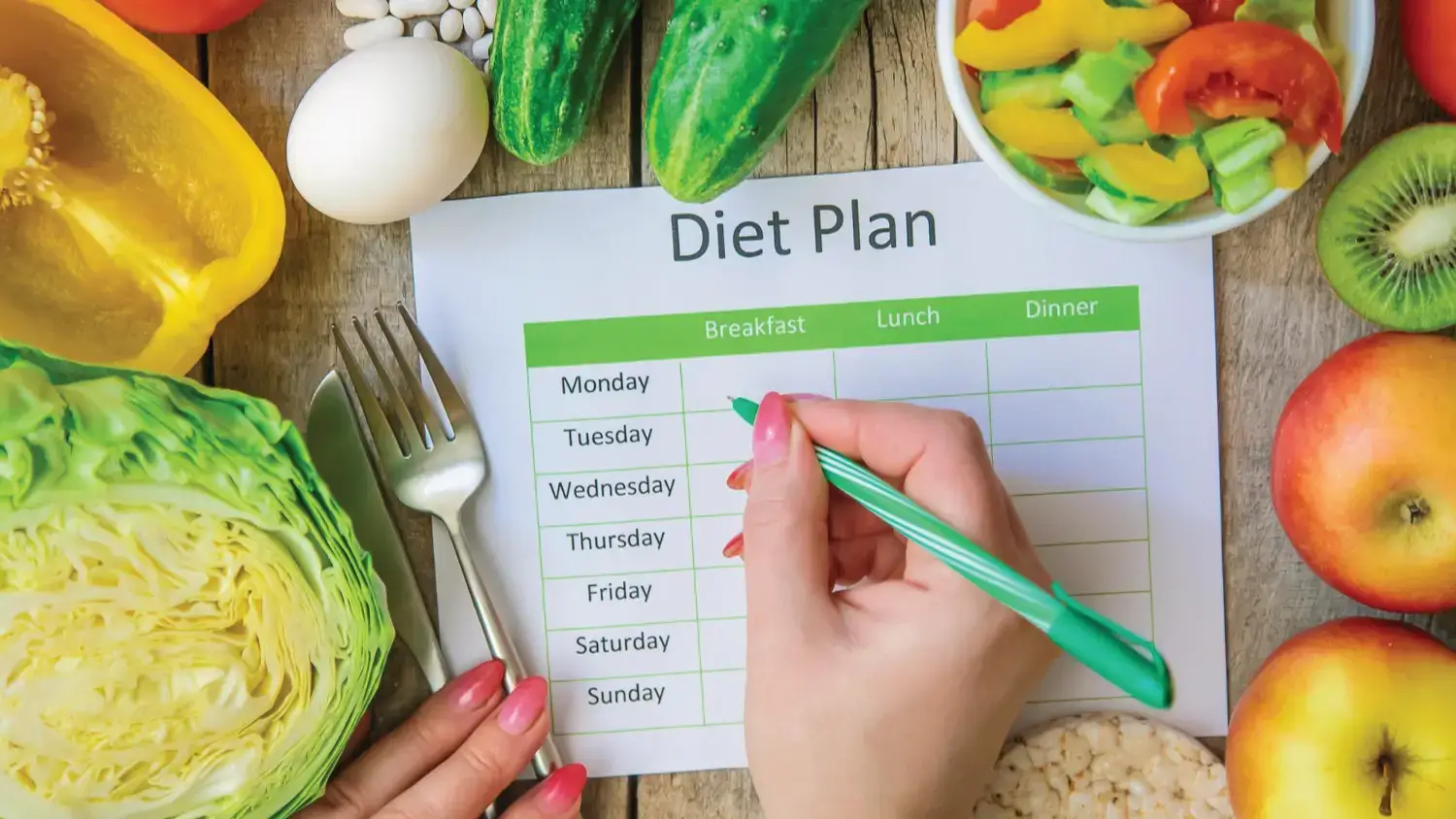
Step 4: Create a Meal Plan Template
Design a simple weekly template that includes:
- Days of the Week: Monday to Sunday
- Meals: Breakfast, lunch, dinner, and snacks
- Recipe or Dish: Specific meals with ingredients
- Prep Notes: Any tasks to prep in advance
For example:
| Day | Breakfast | Lunch | Dinner | Snack | Prep Notes |
|---|---|---|---|---|---|
| Monday | Oatmeal + Berries | Grilled Chicken Salad | Quinoa Veg Bowl | Apple + Almonds | Cook quinoa in bulk |
| Tuesday | Smoothie Bowl | Tuna Wrap | Lentil Soup | Yogurt & Nuts | Chop veggies for soup |
This structure saves time and keeps your week organized.
Step 5: Make a Smart Grocery List
Once your meals are selected, create a grocery list based on ingredients rather than meals. Group items by category:
- Vegetables & Fruits
- Proteins
- Whole Grains
- Dairy & Alternatives
- Snacks & Extras
Tips for smart grocery shopping:
- Stick to the list to avoid impulse purchases.
- Choose seasonal produce for freshness and cost-effectiveness.
- Opt for versatile ingredients that can be used in multiple meals.
Step 6: Prep Ingredients Ahead
Meal prepping is key to a successful weekly plan. Ideas include:
- Wash, chop, and store vegetables in airtight containers.
- Cook grains or proteins in bulk for the week.
- Prepare dressings or sauces in advance.
- Portion snacks in small containers for easy access.
Even 1–2 hours of prep on the weekend can make your week much smoother.
Step 7: Store Meals Efficiently
Proper storage keeps your meals fresh and safe:
- Use airtight containers for cooked meals.
- Store perishable items like greens separately to avoid sogginess.
- Label containers with the day or meal to reduce confusion.
- Keep frozen items for meals later in the week.
This ensures that your healthy meals are ready when you need them, reducing the temptation to order unhealthy food.
Tips for Staying Consistent
- Start Small: Plan 3-4 days first, then expand to a full week.
- Mix & Match: Rotate meals to prevent boredom.
- Track Your Progress: Note what works and adjust weekly.
- Stay Flexible: Life happens-don’t stress if plans change.
Consistency is more important than perfection. By following these steps, meal planning becomes a sustainable habit.
Conclusion
Planning healthy meals for the whole week doesn’t have to be stressful. With a thoughtful schedule, balanced nutrition, smart grocery shopping, and efficient prep, you can save time, reduce stress, and support your health goals.
Nutri Boost Daily encourages evolving your meal planning strategy as your lifestyle and preferences change. Over time, meal planning will become second nature, giving you more control over your health and well-being.
FAQs
How often should I meal prep?
Most people find weekly prep ideal, typically on weekends. However, prepping smaller portions midweek can help adjust for schedule changes.
Can I plan meals if I’m vegetarian or vegan?
Absolutely. Focus on plant-based proteins like beans, lentils, tofu, and nuts, and ensure a variety of vegetables and grains for complete nutrition.
How do I avoid getting bored of the same meals?
Rotate ingredients and experiment with new recipes each week. Incorporate seasonal produce and different cuisines to keep meals exciting.
Is meal planning expensive?
Not necessarily. Planning meals reduces impulse purchases and food waste, saving money in the long run. Buying versatile ingredients in bulk also helps.
Can I still eat out while meal planning?
Yes! Plan for one or two meals out per week. Meal planning is about balance, not restriction.
How do I ensure meals stay fresh all week?
Store meals in airtight containers, refrigerate properly, and freeze items that won’t be consumed within a few days. Labeling meals by day also helps.