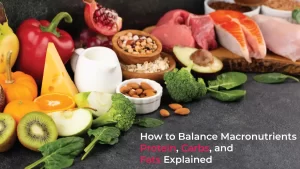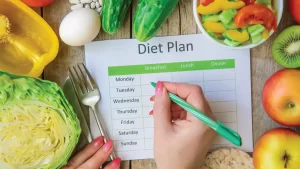

Healthy living starts with what you put on your plate. Nutrition isn’t about strict diets, depriving yourself, or counting calories endlessly – it’s about feeling great, having more energy, and keeping your body running efficiently.
With the fast pace of modern life, it’s easy to grab whatever’s convenient, often sacrificing nutrition for speed. However, incorporating simple, science-backed nutrition habits can make a world of difference in your energy, immunity, and long-term health.
In this guide, we’ll explore 10 everyday nutrition tips that are practical, sustainable, and adaptable to your ever-changing lifestyle – helping you take small but powerful steps toward better health.
Why Good Nutrition Matters Every Day
Nutrition isn’t just about maintaining weight – it’s the foundation for overall health. A balanced diet helps:
- Boost immunity
- Support brain function
- Maintain healthy digestion
- Enhance energy and focus
- Reduce the risk of chronic diseases
As the science of nutrition continues to evolve, experts emphasize that there’s no one-size-fits-all diet. Instead, nutrition should adapt to your unique needs, activity level, and lifestyle.
That’s why the ever-evolving nutrition guidance shared by Nutri Boost Daily helps readers stay up to date with modern, research-backed insights for daily healthy living.
Tip #1: Start Your Day with a Balanced Breakfast
Breakfast sets the tone for your entire day. Skipping it can lead to sluggishness, overeating later, or cravings for unhealthy snacks.
What Makes a Balanced Breakfast?
- Protein: Eggs, Greek yogurt, tofu, or nuts
- Complex carbs: Oats, whole-grain toast, or fruit
- Healthy fats: Avocado, nut butter, or seeds
A meal like oatmeal topped with berries and chia seeds or an egg-and-veggie wrap provides lasting energy and essential nutrients.
Pro Tip: Avoid sugary cereals or pastries that spike blood sugar and cause energy crashes by mid-morning.
Tip #2: Stay Hydrated Throughout the Day
Water plays a vital role in digestion, nutrient absorption, temperature regulation, and detoxification. Yet, many people mistake thirst for hunger, leading to overeating.
Hydration Tips:
- Aim for 8–10 glasses of water daily (more if you’re active).
- Carry a reusable water bottle.
- Infuse your water with lemon, cucumber, or mint for added flavor.
Bonus: Herbal teas and coconut water can also contribute to your daily hydration needs.
Tip #3: Include More Whole Foods in Your Diet
Whole foods – such as fruits, vegetables, lean proteins, whole grains, nuts, and seeds – are loaded with essential vitamins and minerals that processed foods often lack.
These foods are rich in fiber, which supports digestion and helps maintain a healthy weight.
Whole Food Examples:
- Swap white rice for brown rice or quinoa.
- Choose whole fruits over fruit juices.
- Snack on nuts instead of chips.
Eating more whole foods also means fewer additives, artificial sweeteners, and unhealthy fats in your meals.
Tip #4: Practice Portion Control
Even healthy foods can lead to weight gain if consumed in excess. Portion control helps maintain calorie balance while ensuring you get all essential nutrients.
How to Manage Portions:
- Use smaller plates to naturally eat less.
- Follow the “half-plate rule” – fill half your plate with vegetables.
- Learn to recognize hunger cues before going for seconds.
Portion control isn’t about restriction – it’s about mindful balance.
Tip #5: Limit Processed and Sugary Foods
Processed foods are often high in sugar, sodium, and unhealthy fats, contributing to obesity, heart disease, and inflammation.
Steps to Cut Back:
- Check food labels for hidden sugars and additives.
- Replace sugary drinks with infused water or smoothies.
- Choose homemade meals over fast food whenever possible.
While an occasional treat is fine, making whole, nutrient-dense foods your daily choice leads to long-term benefits.
Tip #6: Eat More Colorful Fruits and Vegetables
“Eat the rainbow” isn’t just a catchy phrase – it’s backed by nutritional science. Each color in fruits and vegetables represents different antioxidants and vitamins.
Examples by Color:
- Red: Tomatoes, strawberries – rich in lycopene and vitamin C
- Orange/Yellow: Carrots, mangoes – high in beta-carotene
- Green: Spinach, broccoli – packed with iron and calcium
- Blue/Purple: Blueberries, eggplant – loaded with antioxidants
Aim for at least five servings of fruits and vegetables daily to support immunity, heart health, and energy.
Tip #7: Prioritize Protein in Every Meal
Protein is crucial for muscle repair, satiety, and metabolism. It also helps stabilize blood sugar, keeping cravings at bay.
Healthy Protein Sources:
- Animal-based: Chicken, fish, eggs, dairy
- Plant-based: Lentils, chickpeas, tofu, quinoa, edamame
Try to include protein in every meal – even snacks. For example, add Greek yogurt to breakfast or have hummus with veggie sticks as an afternoon bite.
Tip #8: Plan and Prep Your Meals Ahead
Meal planning saves time, reduces food waste, and helps you make healthier choices.
Simple Meal Prep Steps:
- Set aside a day for grocery shopping and prepping.
- Cook in batches and store in portioned containers.
- Pre-chop vegetables and marinate proteins for quick use.
By prepping your meals, you’ll be less likely to rely on processed convenience foods and more likely to stick to your nutrition goals.
Tip #9: Be Mindful While Eating
In our busy lives, it’s easy to eat on autopilot – while scrolling, watching TV, or working. Mindful eating encourages you to slow down, enjoy your food, and recognize when you’re full.
How to Practice Mindful Eating:
- Eat without distractions.
- Chew slowly and savor flavors.
- Pay attention to hunger and fullness signals.
This practice not only aids digestion but also prevents overeating and emotional eating.
Tip #10: Keep Evolving Your Nutrition Habits
Nutrition is an ever-evolving science – new discoveries continually reshape what we know about healthy eating. The key is to stay open-minded and adaptable.
What works for you now might change as your body, lifestyle, or goals evolve. Continue learning, experimenting, and updating your nutrition habits.
Nutri Boost Daily, for instance, regularly shares the latest nutritional insights, helping readers make informed choices that align with modern health research.
Remember: Progress is better than perfection. Focus on consistent improvement, not short-term diets.
Conclusion
Building a healthier lifestyle doesn’t happen overnight – it’s a journey of small, intentional choices. By applying these 10 everyday nutrition tips, you can enhance your energy, boost immunity, and nurture long-term wellness.
The foundation of great health lies in balance – nourishing your body with wholesome foods, staying hydrated, eating mindfully, and staying informed about the latest nutrition trends.
So, take one step at a time, listen to your body, and continue exploring the ever-evolving world of nutrition to live your healthiest, happiest life.
FAQs
How can I make healthy eating a daily habit?
Start small – add one or two healthy habits at a time, such as drinking more water or eating more vegetables. Gradual changes are easier to maintain long-term.
Is it okay to eat snacks between meals?
Yes! Healthy snacks like nuts, fruits, or yogurt help maintain energy levels and prevent overeating at main meals. Just be mindful of portion sizes.
How much water should I drink daily?
Most adults should aim for 8–10 glasses a day, but this varies based on activity level, climate, and body size. Listen to your body’s thirst cues.
What’s the best way to reduce sugar intake?
Start by cutting back on sugary beverages and desserts. Read labels carefully – many processed foods contain hidden sugars under names like “fructose” or “corn syrup.”
Are all fats bad for health?
No! Healthy fats from avocados, olive oil, nuts, and fish are essential for heart health and hormone balance. Avoid trans fats and heavily processed oils.
How often should I update my nutrition plan?
Every few months, review your habits and goals. As your body and lifestyle change, so should your nutrition – staying flexible is key to long-term success.