In the modern world of ever-evolving weight loss foods and trends, protein has emerged as a superstar nutrient. Whether you’re trying to shed pounds, maintain lean muscle, or simply keep hunger at bay, high-protein foods play a crucial role. They not only support muscle repair and growth but also help you feel fuller for longer, which is essential for successful weight management.
At Nutri Boost Daily, we emphasize the power of high-protein diets as a sustainable approach to slimming down without feeling deprived.
Why Protein is Essential for Weight Loss
Protein is one of the three macronutrients, alongside carbohydrates and fats. Unlike fats and carbs, protein is particularly effective in supporting weight loss for several reasons:
- Thermic Effect of Food (TEF): Protein requires more energy to digest, absorb, and metabolize than carbs or fats, boosting your calorie burn.
- Muscle Preservation: When losing weight, a high-protein diet helps prevent muscle loss, ensuring that most weight lost comes from fat.
- Hormonal Benefits: Protein regulates hunger hormones like ghrelin and leptin, keeping cravings under control.
- Blood Sugar Stability: High-protein meals slow down the absorption of sugar into your bloodstream, preventing spikes and crashes that trigger overeating.
How High-Protein Foods Help You Stay Fulla
One of the key challenges in weight loss is dealing with hunger. High-protein foods combat this by:
- Reducing Appetite: Protein increases levels of peptide YY and GLP-1, hormones that signal fullness.
- Slowing Digestion: Protein-rich foods digest slower than refined carbs, keeping you satiated longer.
- Stabilizing Energy: Balanced protein intake prevents energy dips that often lead to snacking.
Research consistently shows that people who include sufficient protein in their diet tend to consume fewer calories overall, making it easier to maintain a calorie deficit-the cornerstone of weight loss.
Top High-Protein Foods to Include in Your Diet
1.1 Eggs
Eggs are a complete protein, meaning they contain all nine essential amino acids. They’re versatile, nutrient-dense, and surprisingly filling. Studies have shown that eating eggs for breakfast can reduce calorie intake for the rest of the day, aiding weight loss.
Tip: Opt for boiled, poached, or scrambled eggs for a low-calorie, protein-packed meal.
1.2 Greek Yogurt
Greek yogurt contains nearly double the protein of regular yogurt, making it a perfect snack or breakfast option. It’s also rich in probiotics, which support gut health-a key factor in metabolism and weight management.
Tip: Choose plain, unsweetened Greek yogurt and add fresh berries or nuts for flavor and fiber.
1.3 Lean Meats
Chicken breast, turkey, and lean cuts of beef are excellent sources of high-quality protein. They are low in fat and calories when prepared without heavy sauces, making them ideal for slimming down.
Tip: Grill, bake, or steam lean meats rather than frying to maintain their nutritional value.
1.4 Fish and Seafood
Fish such as salmon, tuna, and cod are packed with protein and healthy fats like omega-3s, which support heart health and reduce inflammation. Seafood is also naturally low in calories, making it a perfect choice for weight-conscious individuals.
Tip: Include fish in your diet 2–3 times a week for maximum benefits.
1.5 Legumes and Beans
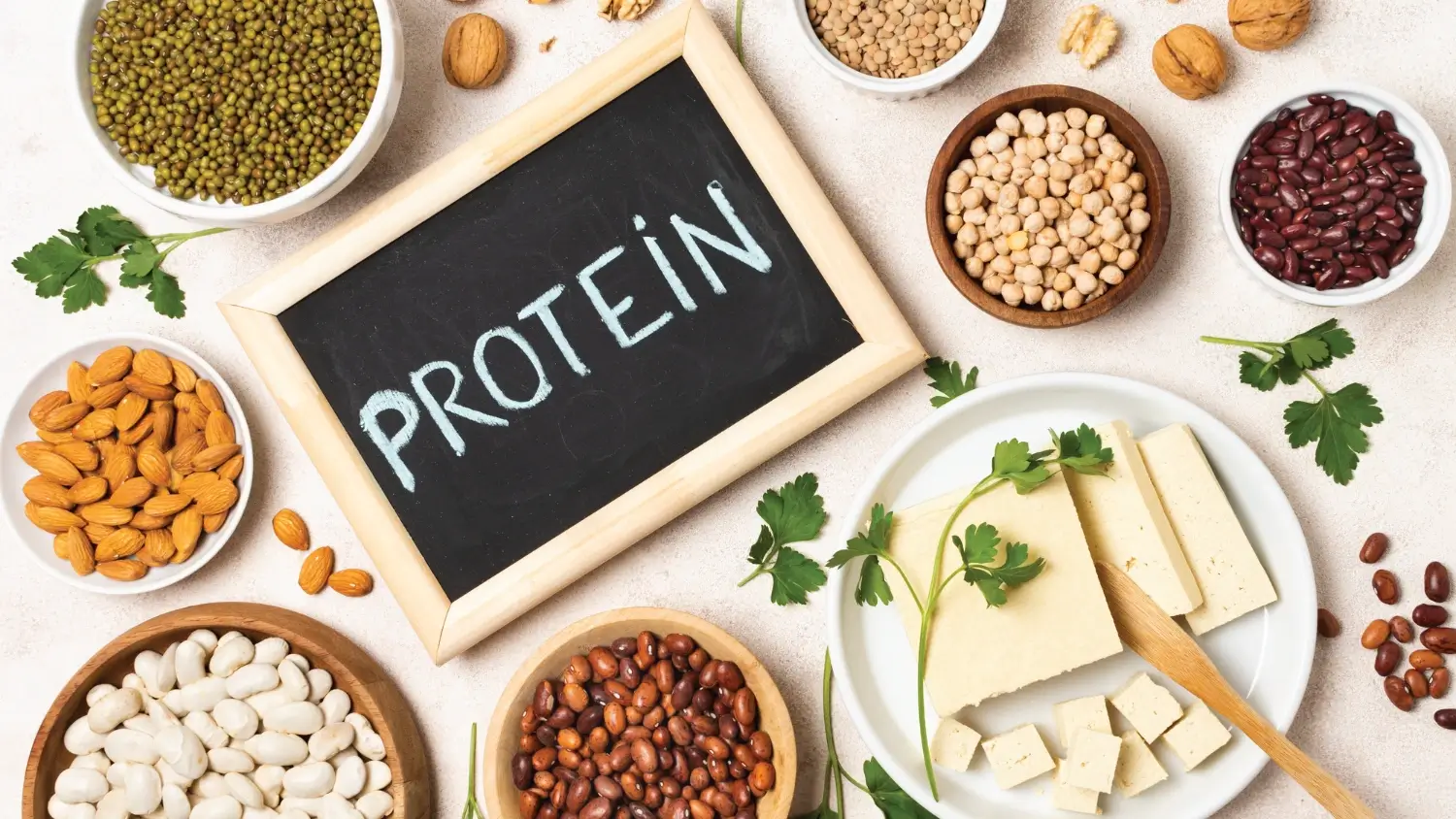
Lentils, chickpeas, black beans, and kidney beans are not only high in protein but also loaded with fiber, which slows digestion and promotes satiety. These plant-based options are perfect for vegetarians and those looking to reduce meat consumption.
Tip: Add beans to soups, salads, or even make protein-packed veggie burgers.
1.6 Nuts and Seeds
Almonds, walnuts, chia seeds, and pumpkin seeds are small but mighty sources of protein and healthy fats. They are energy-dense, so portion control is key, but their protein content helps curb hunger between meals.
Tip: Keep a small handful as a mid-morning snack to prevent overeating later.
1.7 Protein-Rich Whole Grains
Quinoa, buckwheat, and amaranth contain more protein than typical grains like rice or wheat. They are also rich in fiber, vitamins, and minerals, making them excellent choices for a balanced, filling diet.
Tip: Use these grains as a base for salads or as a substitute for rice in meals.
Tips to Incorporate Protein in Every Meal
- Start with Breakfast: Include eggs, Greek yogurt, or a protein smoothie to kickstart your day.
- Add Protein to Salads: Top salads with chicken, beans, or tofu for a satisfying meal.
- Snack Wisely: Nuts, seeds, and protein bars are convenient options that prevent unnecessary snacking.
- Pair Protein with Fiber: Combining protein with vegetables, fruits, or whole grains enhances satiety and nutrition.
- Experiment with Plant Proteins: Incorporate lentils, chickpeas, and quinoa to diversify your protein sources.
Common Mistakes to Avoid When Eating Protein
- Relying Only on Animal Protein: Diversify your sources with plant-based proteins to get additional nutrients.
- Ignoring Portion Sizes: Even high-protein foods can contribute to excess calories if overconsumed.
- Skipping Fiber: Protein works best for satiety when paired with fiber-rich foods.
- Falling for Protein Supplements Alone: Whole foods provide additional vitamins, minerals, and healthy fats.
- Eating High-Fat Proteins Excessively: Opt for lean cuts to avoid extra calories and saturated fats.
Conclusion
High-protein foods are a cornerstone of effective weight management. By keeping you full, preserving lean muscle, and stabilizing energy, protein makes slimming down more sustainable and enjoyable. Incorporating a mix of eggs, lean meats, fish, legumes, nuts, and whole grains can transform your meals into powerful fat-burning, satisfying options.
At Nutri Boost Daily, we continuously highlight the latest trends in weight loss foods and help you discover practical ways to include protein in your daily diet. By prioritizing protein, you can enjoy meals that are both delicious and supportive of your health goals-without feeling deprived.
Remember, the secret to effective weight loss isn’t starving yourself-it’s eating smart, staying consistent, and choosing foods that nourish your body. Protein does exactly that.
FAQs
How much protein should I eat daily for weight loss?
For most adults aiming for weight loss, 1.2 to 1.6 grams of protein per kilogram of body weight is effective. Athletes may require slightly more.
Can plant-based proteins help with weight loss?
Absolutely! Lentils, chickpeas, beans, tofu, and quinoa are excellent plant-based proteins that keep you full and aid in slimming down.
Is it bad to eat protein at night?
No, eating protein in the evening can actually support muscle repair and keep you satiated, preventing late-night snacking.
Can I rely solely on protein shakes?
While protein shakes can supplement your diet, they should not replace whole foods, which provide essential nutrients for overall health.
Do high-protein diets affect kidney health?
For healthy individuals, moderate high-protein diets are generally safe. People with kidney conditions should consult a doctor before increasing protein intake.
How can I make my meals more protein-rich without meat?
Add legumes, beans, tofu, tempeh, Greek yogurt, nuts, seeds, and protein-rich grains like quinoa to your meals.