
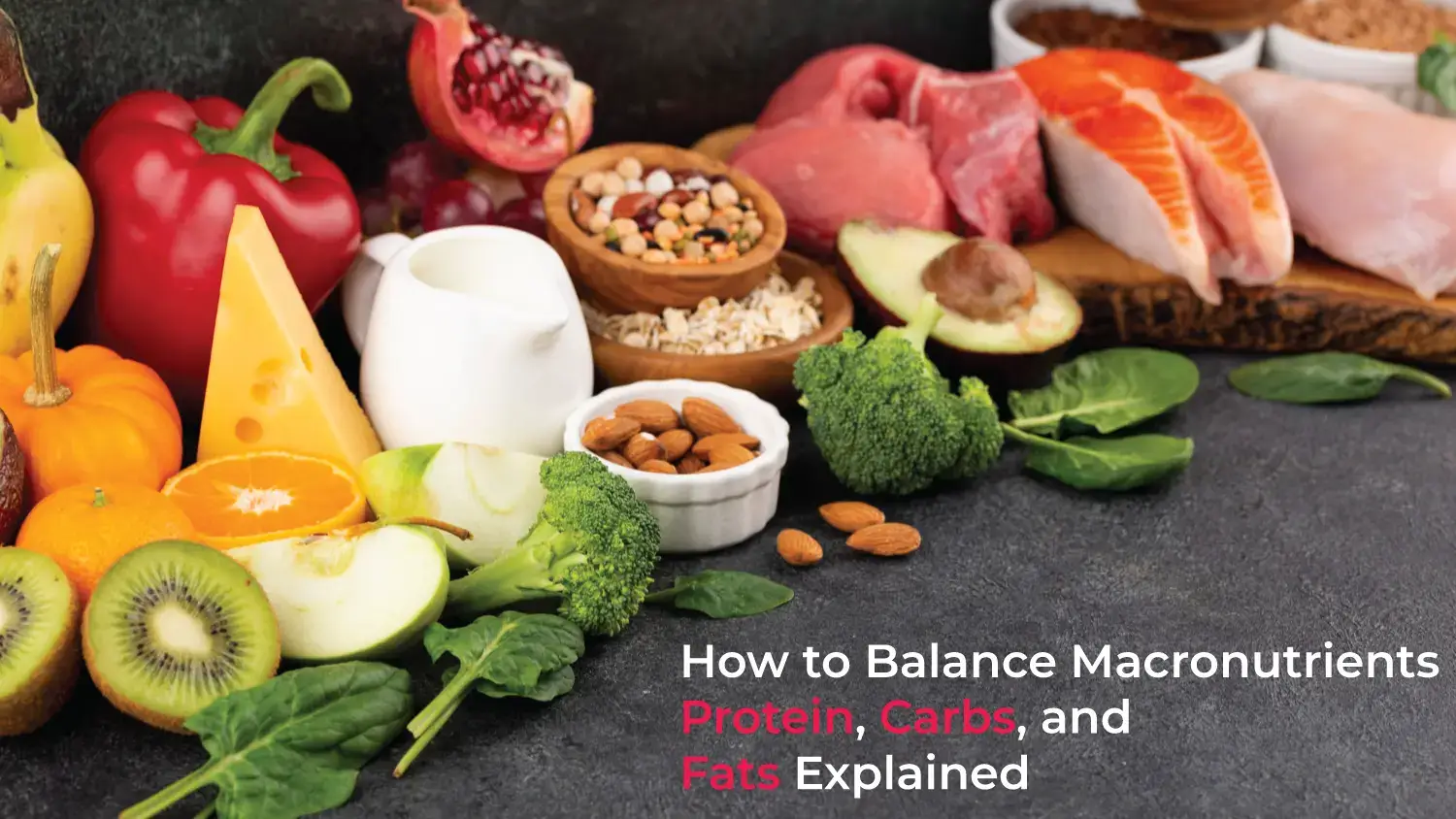
Nutrition plays a crucial role in achieving a healthy, energetic, and well-balanced lifestyle. Among the most important components of nutrition are macronutrients-the nutrients our bodies need in large amounts to function properly.
These include proteins, carbohydrates, and fats, which work together to fuel every aspect of your body – from muscle repair to brain function. But understanding how to balance these macronutrients can be confusing, especially with the constantly evolving trends in diet and nutrition.
In this article, we’ll break down each macronutrient, explain how they work, and show you how to balance them effectively for long-term health and energy. At Nutri Boost Daily, our goal is to simplify nutrition so you can make smarter food choices every day.
What Are Macronutrients?
Macronutrients are the primary nutrients that provide your body with energy (calories) to sustain daily activity and essential bodily functions. There are three key macronutrients:
- Protein – builds and repairs tissues.
- Carbohydrates – provide quick and sustainable energy.
- Fats – support hormone production and absorb vitamins.
Each macronutrient contributes differently to your daily calorie intake:
- Protein: 4 calories per gram
- Carbohydrates: 4 calories per gram
- Fat: 9 calories per gram
Balancing these nutrients depends on your age, activity level, goals, and metabolism. There’s no “one-size-fits-all” ratio, which is why personalization is key to maintaining a healthy diet.
The Role of Protein
Protein is often referred to as the building block of life. It’s essential for:
- Muscle repair and growth
- Immune system support
- Enzyme and hormone production
- Tissue maintenance
Best Protein Sources:
- Lean meats (chicken, turkey, fish)
- Eggs
- Greek yogurt
- Lentils and beans
- Tofu and tempeh
- Protein powders (whey, pea, or soy-based)
How Much Protein Do You Need?
A general guideline:
- Sedentary adults: 0.8 g per kg of body weight
- Active individuals or athletes: 1.2–2.0 g per kg of body weight
Balancing protein ensures your body can recover, strengthen, and maintain lean mass while preventing unnecessary fat gain.
The Role of Carbohydrates
Carbohydrates are your body’s main source of fuel. They power your workouts, brain function, and energy levels throughout the day.
Two Types of Carbs:
- Complex Carbs:
Found in whole grains, vegetables, and legumes. They digest slowly, providing long-lasting energy. - Simple Carbs:
Found in sugars, candies, and refined foods. These digest quickly and can cause energy spikes followed by crashes.
Best Carbohydrate Sources:
- Brown rice, quinoa, oats
- Whole-grain bread and pasta
- Sweet potatoes
- Fruits and vegetables
- Legumes and beans
Carb Needs:
Depending on your activity level, carbohydrates should make up 45–65% of your total daily calories.
Active individuals need more carbs, while those with sedentary lifestyles or following low-carb diets may consume less.
The Role of Fats
Fats are often misunderstood but are vital for good health. They:
- Support hormone regulation
- Aid in vitamin absorption (A, D, E, and K)
- Protect organs and cells
- Provide long-lasting energy
Healthy Fat Sources:
- Avocados
- Olive oil
- Nuts and seeds
- Fatty fish (salmon, mackerel)
- Coconut oil
Limit These:
- Trans fats (found in processed foods)
- Excessive saturated fats (from fried or fast food)
Healthy fats should make up about 20–35% of your daily calories to maintain balance and energy stability.
Why Balancing Macronutrients Matters
Balancing macronutrients ensures your body:
- Gets sustained energy throughout the day
- Builds and maintains muscle mass
- Supports brain function and focus
- Keeps your metabolism active
- Prevents nutrient deficiencies
When one macronutrient is consumed excessively (like too many carbs or fats), it can throw off your balance-leading to energy crashes, fat gain, or nutrient loss. A well-balanced diet helps you maintain a steady metabolism and stable mood.
How to Calculate Your Macronutrient Needs
A good starting point for most people:
- 40% Carbohydrates
- 30% Protein
- 30% Fat
But these ratios may vary based on your goals:
| Goal | Carbs | Protein | Fat |
|---|---|---|---|
| Weight Loss | 30–40% | 30–35% | 25–35% |
| Muscle Gain | 45–55% | 25–30% | 20–25% |
| Maintenance | 40–50% | 25–30% | 25–30% |
You can use tools like the Harris-Benedict Equation or online macro calculators to find your ideal intake based on your Total Daily Energy Expenditure (TDEE).
Tips for Balancing Macronutrients in Your Daily Diet
Here are some practical ways to balance your macros daily:
- Plan Your Meals Ahead – Use a food tracker to plan balanced meals that meet your macro goals.
- Include Protein in Every Meal – Keeps you full longer and helps maintain lean muscle.
- Choose Complex Carbs – Opt for whole grains and fiber-rich veggies instead of refined sugar.
- Don’t Fear Healthy Fats – Add avocados, olive oil, or nuts to your meals.
- Stay Hydrated – Proper hydration supports metabolism and digestion.
- Listen to Your Body – Adjust your intake based on how you feel, not just numbers.
At Nutri Boost Daily, we recommend adjusting macros gradually instead of making drastic changes overnight for better, long-lasting results.
Common Mistakes to Avoid
- Over-restricting one macronutrient (like cutting carbs completely)
- Ignoring portion sizes even with healthy foods
- Not tracking progress or energy levels
- Skipping meals thinking it aids fat loss
- Falling for fad diets without long-term sustainability
Balanced nutrition is about consistency, not perfection.
Ever-Evolving Nutrition Tips for a Healthier You
Nutrition science is always changing, and staying updated helps you make better choices. Here are some ever-evolving nutrition tips:
- Focus on food quality, not just quantity. A calorie from soda isn’t the same as a calorie from sweet potatoes.
- Eat mindfully. Slow down and listen to your hunger cues.
- Experiment with macro ratios. Everyone’s metabolism is unique-find what works best for you.
- Combine macros strategically. Pair carbs with protein or fat to maintain stable blood sugar.
- Reassess your needs regularly. Your macro balance might change as you age or your activity level shifts.
Sample Balanced Meal Plan
Here’s a one-day example of a balanced macro meal plan:
Breakfast:
- Scrambled eggs with spinach and avocado
- Whole-grain toast
- Black coffee or green tea
Lunch:
- Grilled chicken breast
- Quinoa with roasted vegetables
- Olive oil dressing
Snack:
- Greek yogurt with mixed berries and chia seeds
Dinner:
- Baked salmon
- Brown rice
- Steamed broccoli
Total Macro Ratio: ~40% Carbs / 30% Protein / 30% Fat
This plan offers a steady balance of nutrients, keeping your energy and metabolism consistent throughout the day.
Conclusion
Balancing macronutrients isn’t about strict rules-it’s about understanding your body’s needs and creating a sustainable eating plan that works for you. Whether you’re aiming to lose weight, gain muscle, or simply maintain your health, the right balance of protein, carbs, and fats will help you feel stronger, more energized, and more in control of your nutrition.
At Nutri Boost Daily, we believe that healthy eating doesn’t have to be complicated-just balanced, mindful, and consistent.
FAQs
What’s the best macronutrient ratio for weight loss?
A balanced approach of 40% carbs, 30% protein, and 30% fat works for most people. However, you can reduce carbs slightly and increase protein if you’re aiming for fat loss.
Can I follow a low-carb diet and still get enough energy?
Yes, but ensure you’re eating enough healthy fats and protein to make up for reduced carb intake. Gradual adjustments work best.
How do I track my macros?
You can use apps like MyFitnessPal or Cronometer to log your meals and monitor your macro intake.
Are fats bad for my health?
Not at all! Healthy fats like olive oil, avocados, and nuts are essential for hormone function and heart health. Avoid trans fats and highly processed oils.
Should my macro ratio change if I start working out more?
Yes. Increased activity requires more carbohydrates and protein to support recovery and energy demands.
Can I balance macros without counting calories?
Absolutely. Focus on portion sizes, whole foods, and balanced meals that include all three macronutrients.