When people talk about nutrition, macronutrients like proteins, carbohydrates, and fats often take center stage. But the real heroes working behind the scenes are micronutrients – the vitamins and minerals that keep your body functioning at its best. They might be needed in small amounts, but their impact is enormous.
Micronutrients are essential for your immune system, brain function, bone health, and energy production. Deficiencies can lead to fatigue, weakened immunity, and even chronic disease.
In this post, Nutri Boost Daily dives deep into the importance of micronutrients, why they matter for your long-term health, and how to make sure you’re getting enough every day.
What Are Micronutrients?
Micronutrients are nutrients that your body requires in small quantities to perform vital physiological functions. Unlike macronutrients, they don’t provide calories – but they enable your body to produce energy, repair tissues, and regulate metabolism.
They fall into two main categories:
- Vitamins – Organic compounds that assist in metabolic processes.
- Minerals – Inorganic elements that support structural and biochemical functions.
Even though they’re needed in micro amounts, a lack of these nutrients can have a macro impact on your health.
Types of Micronutrients
A. Vitamins
Vitamins are essential organic compounds that play key roles in your body. They can be divided into fat-soluble and water-soluble categories.
Fat-Soluble Vitamins:
- Vitamin A: Supports vision, immunity, and skin health.
- Vitamin D: Regulates calcium absorption and bone health.
- Vitamin E: Acts as a powerful antioxidant.
- Vitamin K: Essential for blood clotting and bone metabolism.
Water-Soluble Vitamins:
Vitamin C: Boosts immunity and collagen formation.
B-Complex Vitamins: (B1, B2, B3, B5, B6, B7, B9, B12) help convert food into energy and maintain nerve function.
B. Minerals
Minerals are inorganic substances that perform a range of bodily functions, from building bones to transmitting nerve impulses.
Major Minerals:
- Calcium: Crucial for bones and muscle contraction.
- Magnesium: Aids in over 300 biochemical reactions.
- Potassium: Maintains fluid balance and supports heart function.
- Sodium: Regulates blood pressure and hydration.
Trace Minerals:
Iron: Essential for red blood cell production.
Zinc: Supports immunity and wound healing.
Iodine: Critical for thyroid function.
Selenium: Protects against oxidative damage.
Why Micronutrients Are Important for Your Health
Each micronutrient has a unique function, but together they work harmoniously to sustain life. Here’s how they benefit your health:
- Boost Immunity: Vitamins C, D, and zinc strengthen your body’s defense against infections.
- Support Brain Function: B vitamins and magnesium enhance focus and memory.
- Maintain Bone Health: Calcium, vitamin D, and vitamin K are essential for strong bones.
- Improve Energy Production: Iron and B vitamins help convert food into usable energy.
- Protect Against Diseases: Antioxidants like vitamin E, selenium, and vitamin C help fight free radicals that cause aging and chronic disease.
Micronutrients are the unsung heroes of nutrition – without them, even the healthiest diet can fall short.
Common Micronutrient Deficiencies
Despite being essential, micronutrient deficiencies are widespread. According to the World Health Organization (WHO), over 2 billion people worldwide suffer from at least one micronutrient deficiency.
Here are some of the most common ones:
- Iron deficiency: Causes anemia, fatigue, and reduced stamina.
- Vitamin D deficiency: Leads to weak bones, low immunity, and mood disorders.
- Calcium deficiency: Results in brittle bones and muscle cramps.
- Vitamin B12 deficiency: Common in vegetarians and vegans, leading to fatigue and nerve issues.
- Iodine deficiency: Can cause thyroid problems and developmental issues in children.
Recognizing these deficiencies early can prevent long-term damage to your health.
How to Get Enough Micronutrients
A. From Whole Foods
The best way to get your vitamins and minerals is through a balanced, varied diet. Here are some excellent sources:
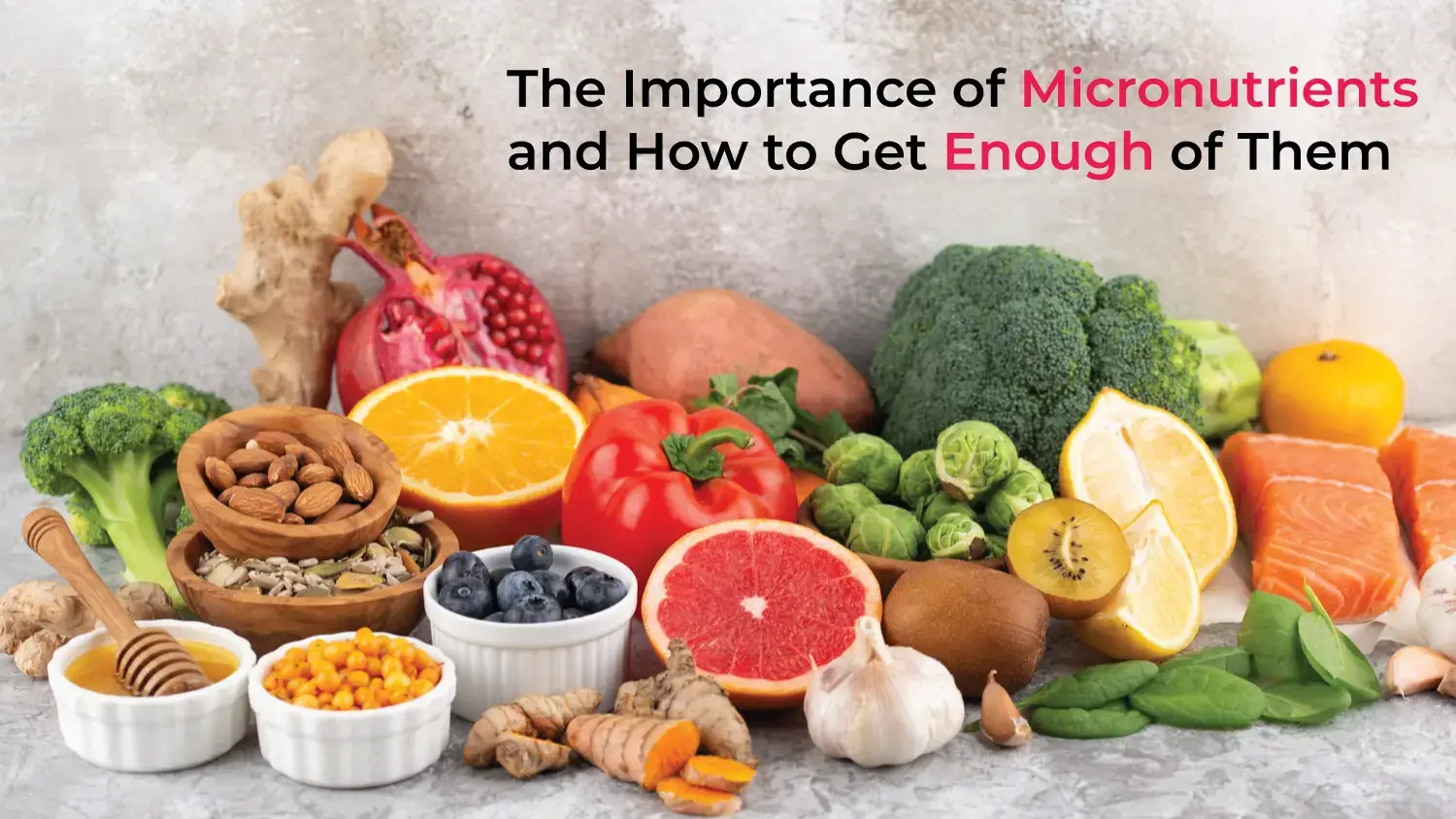
- Vitamin A: Carrots, sweet potatoes, and spinach
- Vitamin C: Citrus fruits, bell peppers, and strawberries
- Vitamin D: Fatty fish, eggs, and sunlight exposure
- Calcium: Dairy, tofu, sesame seeds, and leafy greens
- Iron: Red meat, lentils, spinach, and fortified cereals
- Zinc: Shellfish, pumpkin seeds, and whole grains
- Magnesium: Nuts, seeds, and dark chocolate
B. Through Fortified Foods
Fortified foods are a modern solution to prevent nutrient gaps. For example:
- Fortified milk often contains vitamin D.
- Breakfast cereals are enriched with iron, folate, and B12.
- Salt fortified with iodine prevents thyroid disorders.
C. With Supplements (If Needed)
Supplements can be beneficial for individuals with specific needs – such as pregnant women, the elderly, or vegans. However, always consult a healthcare professional before taking supplements. Over-supplementation can lead to toxicity, especially with fat-soluble vitamins.
Ever-Evolving Nutrition Tips for Better Micronutrient Absorption
Nutritional science is always advancing, and experts are learning more about how to optimize micronutrient absorption. Here are some ever-evolving nutrition tips to make the most of what you eat:
- Pair fat-soluble vitamins (A, D, E, K) with healthy fats (like olive oil or avocado) to boost absorption.
- Combine vitamin C-rich foods with plant-based iron sources to improve iron uptake.
- Avoid excessive caffeine immediately after meals – it can hinder iron absorption.
- Cook vegetables lightly to retain water-soluble vitamins like vitamin C and B-complex.
- Rotate your foods to ensure a variety of nutrients over time.
- Stay hydrated – water helps transport vitamins and minerals throughout the body.
Small tweaks like these can greatly enhance how effectively your body uses micronutrients.
Micronutrients in Different Lifestyles
For Vegetarians and Vegans
Plant-based diets are rich in many nutrients but may lack vitamin B12, iron, and zinc. Choose fortified foods, nutritional yeast, or B12 supplements to fill the gap.
For Athletes
Athletes lose minerals like sodium, potassium, and magnesium through sweat. Replenish them with electrolyte-rich drinks, fruits, and leafy greens.
For Older Adults
Aging reduces the body’s ability to absorb certain vitamins like B12 and D. Supplements or fortified foods may be necessary.
For Pregnant Women
Increased demands during pregnancy make iron, folate, and calcium especially important for fetal development.
Practical Meal Ideas Rich in Micronutrients
Here are some meal ideas to help you boost micronutrient intake naturally:
- Breakfast: Greek yogurt parfait with berries, chia seeds, and almonds (rich in calcium, vitamin C, and magnesium).
- Lunch: Quinoa salad with kale, chickpeas, roasted sweet potatoes, and lemon dressing (packed with iron, vitamin A, and folate).
- Snack: Handful of mixed nuts and a banana (provides potassium, magnesium, and vitamin E).
- Dinner: Grilled salmon with steamed broccoli and brown rice (great source of vitamin D, calcium, and B vitamins).
- Dessert: Dark chocolate and orange slices (rich in antioxidants and vitamin C).
These balanced meals ensure a colorful plate – and a nutrient-rich body.
Conclusion
Micronutrients may be tiny, but their impact is enormous. They influence every function in your body – from how you think to how you feel. Ensuring a steady supply of vitamins and minerals through whole foods, fortified products, and smart nutrition strategies is key to long-term wellness.
Remember, nutrition is ever-evolving – new research continues to reveal how deeply micronutrients affect our health and longevity.
At Nutri Boost Daily, we believe in empowering readers with practical nutrition knowledge that adapts with science. Nourish your body wisely, and it will reward you with lasting vitality.
FAQs
What are the main sources of micronutrients?
Micronutrients come primarily from whole foods such as fruits, vegetables, nuts, seeds, whole grains, dairy, and lean meats. Fortified foods and supplements can also help fill nutritional gaps.
Can I get all my micronutrients from supplements?
Supplements are helpful in specific cases, but they shouldn’t replace a balanced diet. Whole foods provide fiber, antioxidants, and phytonutrients that pills can’t replicate.
How do I know if I have a micronutrient deficiency?
Common signs include fatigue, brittle nails, frequent illness, and poor concentration. Blood tests are the best way to confirm any deficiency.
Are fortified foods healthy?
Yes, fortified foods are beneficial for preventing deficiencies. Just be mindful of added sugars or artificial additives in processed versions.
Can cooking destroy vitamins and minerals?
Some cooking methods, like boiling, can reduce water-soluble vitamins. Opt for steaming or sautéing to preserve nutrients.
How often should I adjust my diet for better micronutrient intake?
As research evolves and your lifestyle changes, reassess your diet every few months. Incorporating seasonal produce helps ensure a wide range of nutrients.