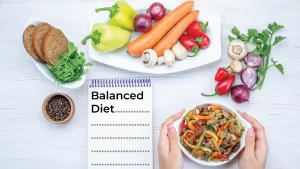

Eating healthy doesn’t have to drain your wallet. With rising food costs, many people believe nutritious meals are only for those with bigger budgets. However, affordable nutrition is possible with planning, smart choices, and a little creativity. This guide will help you eat healthily while saving money, focusing on practical tips, budget-friendly foods, and meal strategies. Whether you are a college student, a working professional, or a family on a tight budget, these tips will make healthy eating accessible to everyone.
Understanding Affordable Nutrition
Many people assume that healthy eating is synonymous with expensive ingredients. In reality, affordable nutrition is about making smart choices and prioritizing nutrient-dense foods. It means selecting foods that offer the most vitamins, minerals, and energy per dollar.
A few key principles of eating healthily on a budget:
- Prioritize whole foods over processed foods – Whole foods are often more nutritious and cheaper when bought in bulk.
- Seasonal and local produce – Fruits and vegetables in season are more affordable and fresher.
- Buy in bulk – Items like grains, beans, and frozen vegetables can be purchased in larger quantities to save money.
Nutri Boost Daily emphasizes that an ever-evolving healthy diet focuses on long-term sustainability rather than short-term indulgence, making affordable nutrition more achievable.
Plan Your Meals Ahead
Meal planning is essential for healthy eating on a budget. By planning your meals, you avoid last-minute unhealthy choices and impulsive spending.
Steps for effective meal planning:
- Create a weekly meal plan – Write down breakfast, lunch, dinner, and snacks for the week.
- Check your pantry first – Incorporate items you already have to minimize waste and save money.
- Use a shopping list – Stick to your list to prevent unnecessary purchases.
- Prep versatile ingredients – Cook staples like rice, beans, or grilled chicken that can be used in multiple meals.
Meal planning allows you to buy only what you need, reducing food waste and saving money while maintaining a nutritious diet.
Smart Grocery Shopping Tips
Shopping wisely is crucial for eating healthy without overspending. Follow these strategies to stretch your grocery budget:
- Shop the outer aisles – Fresh produce, dairy, and lean meats are often on the perimeter, while processed foods dominate the center aisles.
- Compare unit prices – Buying larger quantities is cheaper, but always check the unit price to ensure it’s a true bargain.
- Use coupons and loyalty programs – Digital coupons, store apps, and loyalty cards can provide discounts on healthy staples.
- Buy generic brands – Store-brand products often have the same nutritional value as premium brands but at a fraction of the cost.
- Avoid shopping when hungry – Impulse buys tend to be unhealthy and expensive.
These simple strategies can make a huge difference in your grocery spending without compromising nutrition.
Budget-Friendly Healthy Foods
Certain foods are both nutritious and cost-effective. Including these items in your diet can help you eat well without overspending:
Legumes
Beans, lentils, and chickpeas are packed with protein and fiber. They are versatile for soups, salads, and main dishes.
Whole Grains
Brown rice, oats, and whole wheat pasta provide long-lasting energy and essential nutrients.
Frozen Vegetables and Fruits
Frozen produce is often cheaper, lasts longer, and retains most nutrients.
Seasonal Produce
Seasonal fruits and vegetables cost less and taste fresher. For example, apples in autumn or berries in summer.
Eggs
Eggs are affordable, protein-rich, and can be cooked in multiple ways.
Canned Goods
Canned beans, tomatoes, and fish (like sardines) are nutritious, shelf-stable, and budget-friendly.
Incorporating these foods into your meals ensures a balanced diet while minimizing expenses.
Meal Prep for Savings
Meal prep is one of the most effective ways to eat healthy on a budget. By preparing meals in advance, you save time, reduce food waste, and avoid unhealthy takeout.
Tips for budget-friendly meal prep:
- Cook in batches – Make large portions and store leftovers for future meals.
- Use multi-purpose ingredients – Beans, rice, and vegetables can be used across several meals.
- Portion control – Store meals in containers to avoid overeating and reduce waste.
- Freeze extra meals – Freezing preserves nutrients and prevents spoilage.
Nutri Boost Daily highlights that preparing meals at home not only saves money but also gives control over ingredients, portion sizes, and overall nutrition.
Avoiding Food Waste
Food waste can sabotage both your health and budget. Small changes can make a big difference:
- Use leftovers creatively – Turn leftover vegetables into soups, stews, or stir-fries.
- Store food properly – Learn which foods need refrigeration or freezing to extend shelf life.
- Track expiry dates – Rotate stock to use older items first.
- Compost scraps – Reduces waste and can be useful if you have a garden.
By reducing food waste, you maximize every rupee spent and get the most out of your healthy foods.
Incorporating Healthy Habits
Eating healthy on a budget isn’t just about food; it’s also about lifestyle habits:
- Cook at home – Home-cooked meals are cheaper and healthier than dining out.
- Drink water – Replace sugary drinks with water to save money and improve health.
- Mindful eating – Eating slowly and mindfully can prevent overeating.
- Batch shopping and cooking – Reduce trips to the store to save time and money.
These habits support a sustainable, ever-evolving healthy diet that adapts to your budget without compromising nutrition.
Conclusion
Eating healthy on a budget is entirely achievable with planning, smart shopping, and meal strategies. By incorporating affordable nutrient-rich foods, reducing waste, and cultivating healthy eating habits, you can nourish your body without straining your finances.
Nutri Boost Daily encourages readers to adopt an ever-evolving approach to healthy eating, adjusting to seasonal produce, personal preferences, and budget constraints. With consistency and creativity, affordable nutrition can become a sustainable part of your lifestyle.
Remember, small changes in shopping habits, meal planning, and cooking can lead to big improvements in health and savings. Start today, and your body and wallet will thank you!
FAQs
FAQs
Can I eat healthy without spending a lot of money?
Absolutely! By planning meals, shopping smartly, and choosing budget-friendly foods like legumes, whole grains, and seasonal produce, you can maintain a nutritious diet without overspending.
What are the cheapest protein sources for a healthy diet?
Affordable protein sources include eggs, beans, lentils, chickpeas, canned fish, and tofu.
Is frozen produce as nutritious as fresh produce?
Yes! Frozen fruits and vegetables are often frozen at peak ripeness, preserving nutrients. They are a cost-effective and convenient option.
How can I reduce food waste at home?
Use leftovers creatively, store food properly, track expiry dates, and cook in batches to minimize waste.
Can I eat healthy on a tight schedule?
Yes, meal prepping and batch cooking save time while ensuring you have ready-to-eat nutritious meals throughout the week.
Are generic or store-brand products healthy?
Most store-brand products have the same nutritional value as name-brand items but are significantly cheaper, making them ideal for budget-conscious diets.