
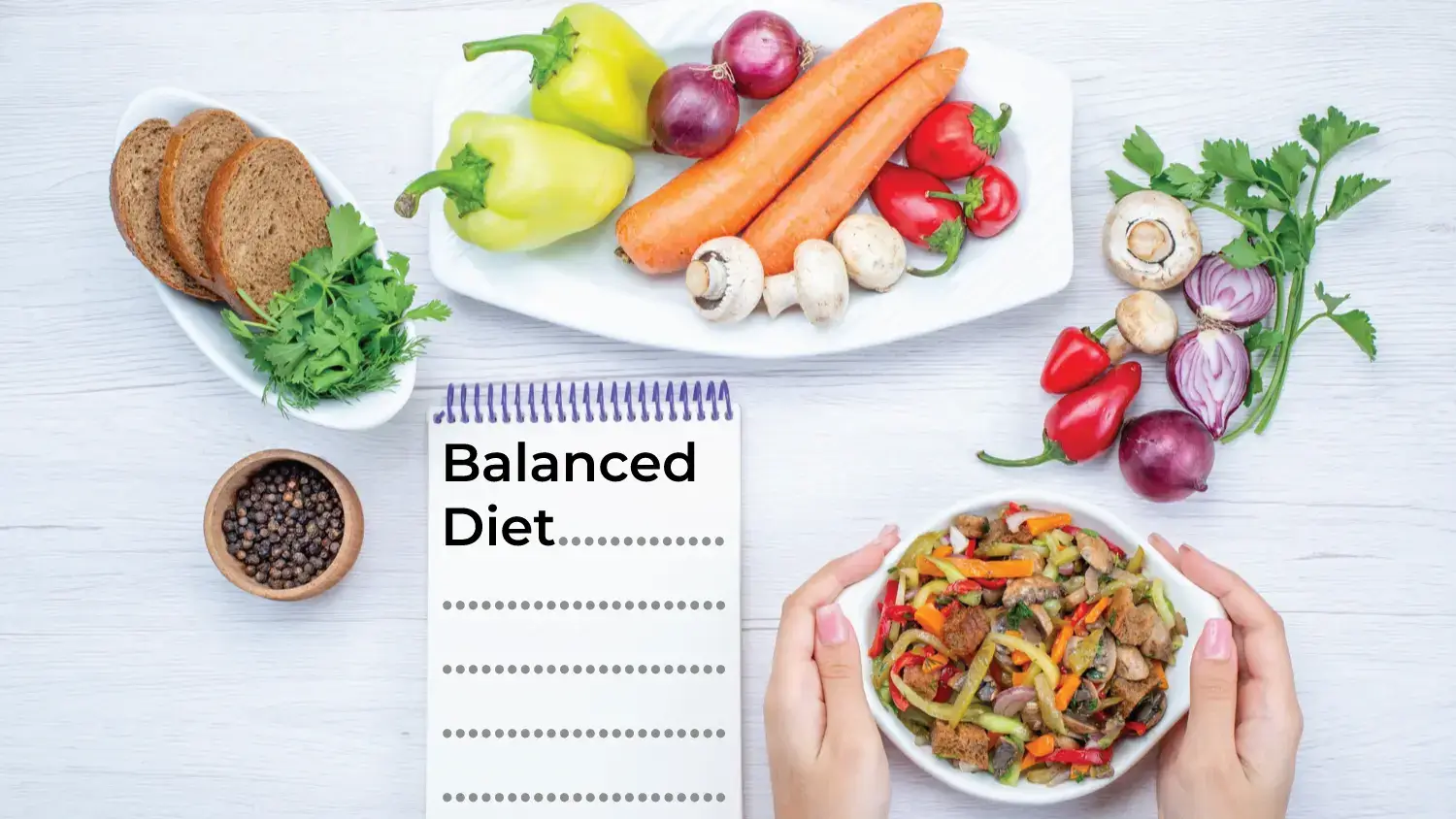
Maintaining a balanced diet often feels like a daunting task. Many people associate healthy eating with strict rules, calorie counting, and cutting out favorite foods entirely. However, a balanced diet doesn’t have to be restrictive. The goal is to nourish your body, feel energized, and enjoy your meals without guilt.
In this article, Nutri Boost Daily will explore 7 simple ways to maintain a balanced diet without restriction, offering practical tips that fit into any lifestyle.
Why a Balanced Diet Matters
A balanced diet ensures your body gets the essential nutrients it needs to function optimally. Nutrients such as carbohydrates, proteins, fats, vitamins, and minerals are critical for:
- Maintaining energy levels
- Supporting a healthy immune system
- Promoting proper brain function
- Managing weight naturally
- Reducing the risk of chronic diseases
The key is not to eliminate food groups but to create balance, variety, and enjoyment in your meals.
Embrace Portion Control, Not Deprivation
One of the simplest ways to maintain balance is by managing portions instead of cutting out foods. Restricting yourself often leads to cravings and overeating.
- Visual cues: Use smaller plates and bowls to naturally reduce portions.
- Listen to hunger signals: Eat slowly and stop when you feel satisfied.
- Balanced plates: Aim for half your plate to be fruits and vegetables, one-quarter protein, and one-quarter whole grains.
Portion control helps you enjoy all foods in moderation without feeling deprived.
Focus on Nutrient-Dense Foods
Choosing nutrient-dense foods over empty calories ensures your body gets more nutrition per bite. These foods are rich in vitamins, minerals, fiber, and protein while being lower in added sugars and unhealthy fats.
Examples include:
- Leafy greens like spinach and kale
- Lean proteins like chicken, fish, tofu, or legumes
- Whole grains like quinoa, brown rice, and oats
- Fruits such as berries, oranges, and apples
- Healthy fats like avocados, nuts, and olive oil
Nutri Boost Daily emphasizes the importance of nutrient-dense eating as a foundation for long-term health and energy.
Include a Variety of Food Groups
A balanced diet isn’t about elimination-it’s about variety. Eating foods from different groups ensures you receive all essential nutrients.
- Fruits and vegetables: Provide antioxidants and fiber
- Proteins: Support muscle repair and satiety
- Whole grains: Offer steady energy and fiber
- Dairy or dairy alternatives: Contribute calcium and vitamin D
- Healthy fats: Aid in hormone function and nutrient absorption
By including all these groups, you reduce the risk of nutrient deficiencies while keeping meals interesting.
Practice Mindful Eating
Mindful eating encourages you to focus on the present moment while eating, noticing flavors, textures, and fullness cues. This approach prevents overeating and promotes a positive relationship with food.
Tips for mindful eating:
- Eat without distractions like TV or phones
- Chew food slowly and savor each bite
- Recognize true hunger versus emotional eating
Mindfulness allows you to enjoy your meals fully while naturally regulating portions.
Stay Hydrated Throughout the Day
Hydration plays a crucial role in maintaining energy, supporting digestion, and controlling hunger. Often, thirst is mistaken for hunger, leading to unnecessary snacking.
Hydration tips:
- Drink water first thing in the morning
- Carry a reusable water bottle
- Include hydrating foods like cucumber, watermelon, and oranges
- Limit sugary beverages that add empty calories
Staying hydrated complements a balanced diet, keeping your body functioning optimally.
Plan Balanced Meals, Not Restrictions
Meal planning doesn’t mean eliminating foods; it means structuring meals for balance and convenience.
- Batch cooking: Prepare proteins and vegetables in advance
- Simple recipes: Combine grains, proteins, and veggies in each meal
- Healthy snacks: Keep nuts, fruits, and yogurt ready
- Meal prep apps: Tools can help plan portions and variety
Planning meals helps you avoid impulsive choices while maintaining flexibility and enjoyment.
Allow Flexibility and Occasional Treats
A sustainable balanced diet includes room for indulgence. Avoid labeling foods as “good” or “bad,” which can create guilt. Instead:
- Enjoy favorite treats occasionally
- Practice moderation, not elimination
- Listen to cravings without overindulging
This approach reduces the risk of binge eating while making the diet realistic and enjoyable.
Tips to Stay Consistent
- Track meals lightly: Journaling or apps can help monitor intake
- Set achievable goals: Start with one or two changes at a time
- Incorporate movement: Exercise complements balanced nutrition
- Seek professional advice: Registered dietitians or resources like Nutri Boost Daily can provide personalized guidance
Consistency is key-small changes over time yield lasting results.
Conclusion
Maintaining a balanced diet doesn’t require strict rules or cutting out favorite foods. By embracing portion control, nutrient-dense foods, variety, mindful eating, hydration, meal planning, and flexibility, you can enjoy a sustainable, nourishing, and enjoyable lifestyle.
Nutri Boost Daily encourages you to focus on balance over restriction-a simple shift that improves energy, mood, and overall health without stress.
FAQs
Can I maintain a balanced diet while still enjoying sweets?
Yes! Moderation is key. Allow occasional treats and pair them with nutrient-dense foods to maintain balance.
How can I eat healthy without counting calories?
Focus on portion control, nutrient-dense foods, and mindful eating instead of tracking every calorie.
Are snacks allowed on a balanced diet?
Absolutely. Healthy snacks like nuts, fruits, or yogurt can complement meals and prevent overeating.
How important is variety in a balanced diet?
Variety ensures your body gets all essential nutrients and keeps meals enjoyable. Aim to include multiple food groups daily.
Can I follow a balanced diet if I’m busy?
Yes, meal planning, batch cooking, and healthy snacks make it easier to maintain balance even with a busy schedule.
How do I stay consistent with a balanced diet?
Set small, achievable goals, track meals lightly, and allow flexibility. Over time, consistency becomes effortless.