Why Low-Calorie Snacks Matter
When it comes to weight management, one of the most common challenges is curbing hunger between meals without consuming excessive calories. Many people fall into the trap of reaching for high-calorie, sugary, or processed snacks, which can derail their weight loss or maintenance goals.
This is where low-calorie snacks come into play. These options satisfy cravings, keep energy levels steady, and help maintain a calorie deficit-an essential component of weight management. For those looking to maintain or shed extra pounds, incorporating nutrient-dense, low-calorie snacks can make a significant difference.
Whether you’re at home, work, or on the go, having a variety of healthy snack options ensures you stay on track without feeling deprived. Nutri Boost Daily encourages mindful snacking as part of a sustainable approach to health and wellness.
Benefits of Choosing Low-Calorie Snacks
Opting for low-calorie snacks provides several benefits that go beyond just weight management:
- Satiety Without Overeating: Foods high in fiber and protein keep you fuller for longer, reducing the temptation to overeat during meals.
- Balanced Blood Sugar Levels: Snacking on nutrient-rich foods helps prevent sudden spikes and crashes in blood sugar, which is crucial for sustained energy.
- Supports Nutrient Intake: Many low-calorie snacks are rich in vitamins, minerals, and antioxidants, which support overall health.
- Boosts Metabolism: Certain snacks, like protein-rich options, can enhance metabolism by promoting muscle maintenance and thermogenesis.
- Promotes Healthy Habits: Regularly consuming low-calorie snacks encourages mindful eating patterns and reduces dependency on processed foods.
Top Low-Calorie Snacks for Weight Management
Choosing the right snacks involves considering both calorie content and nutritional value. Here’s a breakdown of some of the best options:
1.1 Fresh Fruits
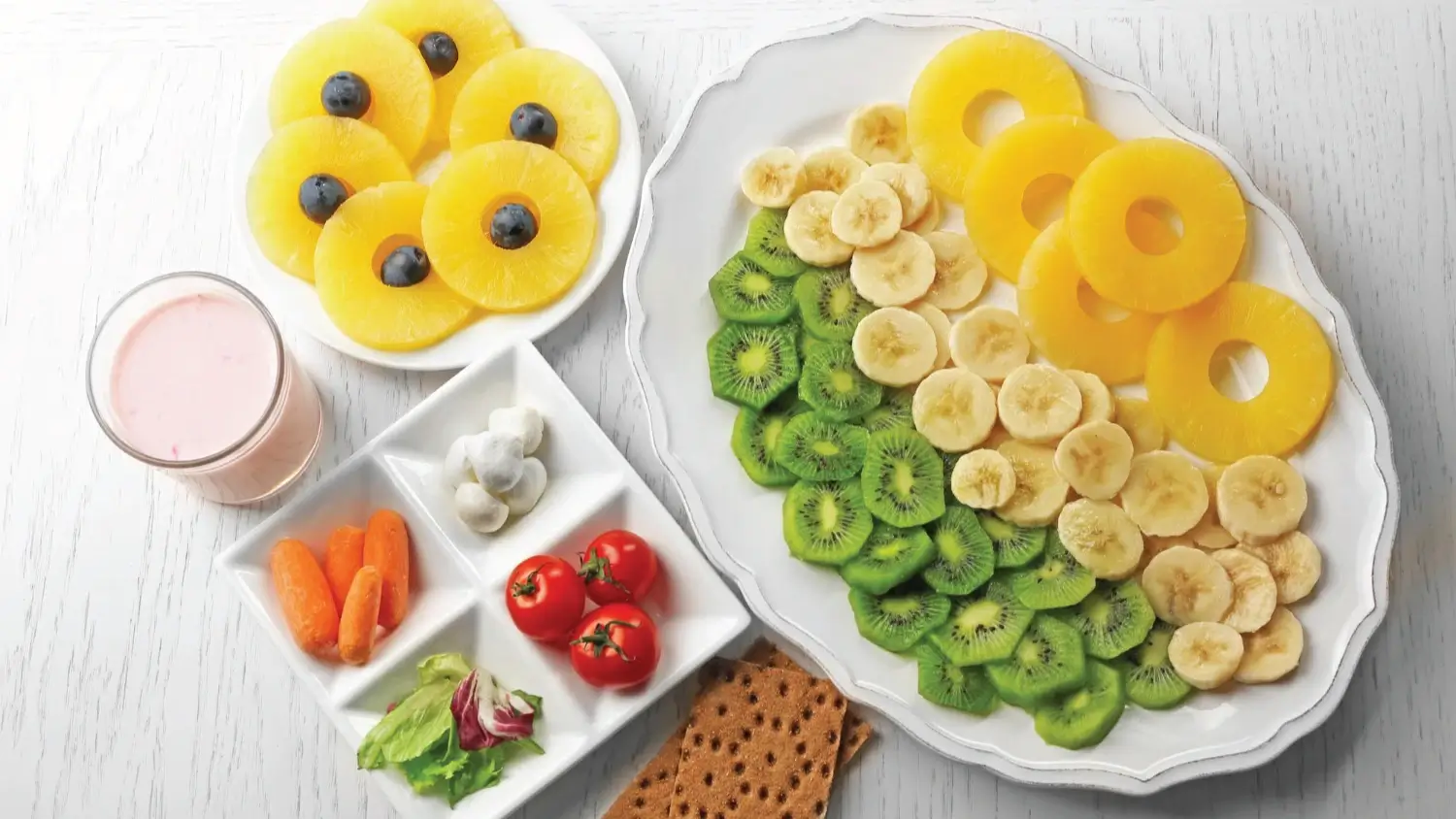
Fruits are nature’s sweet, low-calorie treats. They are naturally rich in fiber, water, and essential nutrients. Some excellent options include:
- Berries (strawberries, blueberries, raspberries): High in antioxidants and low in calories.
- Apples and Pears: Provide fiber that helps you feel full.
- Grapes and Oranges: Easy to carry, hydrating, and naturally sweet.
Tip: Pair fruits with a small serving of protein, like Greek yogurt or nuts, to enhance satiety.
1.2 Vegetables and Dips
Vegetables are low in calories but high in volume, making them perfect for snacking. Combine them with healthy dips for flavor:
- Carrot and Cucumber Sticks: Crunchy and satisfying.
- Bell Pepper Slices: Rich in vitamin C and antioxidants.
- Celery Sticks with Hummus: Adds protein and healthy fats without excess calories.
Low-calorie dips like salsa, tzatziki, or guacamole (in moderation) can make veggies more enjoyable.
1.3 Nuts and Seeds (In Moderation)
Nuts and seeds are calorie-dense but extremely nutrient-rich. Eating them in controlled portions can boost weight management:
- Almonds: Rich in protein, fiber, and healthy fats.
- Walnuts: Support heart health and brain function.
- Chia Seeds: Great for making puddings or adding to smoothies.
Portion control is key: Stick to a small handful or 1–2 tablespoons per serving to keep calories in check.
1.4 Yogurt and Dairy Alternatives
Yogurt is an excellent low-calorie snack that provides protein and probiotics, promoting gut health:
- Greek Yogurt: High in protein, which helps reduce hunger.
- Low-Fat or Skim Yogurt: Provides calcium and nutrients without extra calories.
- Plant-Based Yogurt: Almond or coconut yogurt can be a low-calorie alternative for those avoiding dairy.
Tip: Top yogurt with fresh fruits, chia seeds, or a drizzle of honey for flavor and extra nutrition.
1.5 Whole-Grain Snacks
Whole grains offer fiber and slow-digesting carbohydrates that keep you full longer:
- Air-Popped Popcorn: Low-calorie and high in volume, perfect for satisfying cravings.
- Whole-Grain Crackers with Hummus: Offers sustained energy without excess calories.
- Oatmeal Cups: Instant or overnight oats can be prepared with fruits and spices.
Whole-grain snacks can be versatile, easy to prepare, and ideal for both home and office consumption.
1.6 Popcorn and Air-Popped Options
Popcorn is one of the most satisfying low-calorie snacks:
- Air-Popped Popcorn: Only 30 calories per cup, making it perfect for weight management.
- Seasoning Options: Use herbs, nutritional yeast, or a small amount of olive oil instead of butter or heavy sauces.
Popcorn’s bulk allows you to enjoy a larger portion without exceeding your daily calorie goals.
Tips for Smart Snacking
Incorporating low-calorie snacks effectively requires mindfulness and planning:
- Pre-Portion Snacks: Avoid eating straight from the package to prevent overeating.
- Choose Nutrient-Dense Foods: Focus on fiber, protein, and water-rich options.
- Snack Mindfully: Eat slowly and savor each bite to improve satiety.
- Plan Ahead: Keep healthy snacks available at home, office, or on the go.
- Combine Food Groups: Pair carbs with protein or healthy fats to sustain energy and fullness.
By following these tips, you can make snacking work for your weight management goals instead of against them.
How to Incorporate Low-Calorie Snacks into Your Daily Routine
- Morning Snack: Greek yogurt with berries or an apple with almond butter.
- Midday Snack: Carrot sticks with hummus or a small handful of nuts.
- Afternoon Pick-Me-Up: Air-popped popcorn or a piece of fruit.
- Evening Snack: Herbal tea with a small portion of whole-grain crackers.
By spacing snacks throughout the day, you can stabilize blood sugar, curb cravings, and maintain energy levels without overeating.
Conclusion
Low-calorie snacks are more than just a diet tool-they are a sustainable way to maintain energy, curb cravings, and support long-term weight management. From fresh fruits and vegetables to air-popped popcorn and whole-grain options, there is a wide variety of snacks to suit every taste and lifestyle.
By choosing nutrient-rich, low-calorie options and practicing mindful snacking, you can stay on track with your health goals without feeling deprived.
Incorporate these snacks into your daily routine and experience the difference in energy, satiety, and overall wellness. For more healthy eating tips and evolving weight loss foods, Nutri Boost Daily offers reliable advice and recipes to help you make smarter food choices every day.
FAQs
Can low-calorie snacks help with weight loss?
Yes! Low-calorie, nutrient-dense snacks help control hunger, reduce overeating, and support a calorie deficit, which is essential for weight loss.
How many calories should a snack have for weight management?
Generally, snacks between 100–200 calories are ideal. The focus should be on nutrient quality rather than just calorie count.
Are fruits considered low-calorie snacks?
Absolutely. Fruits like berries, apples, and oranges are naturally low in calories and high in fiber, making them perfect for weight management.
Can I eat nuts while trying to lose weight?
Yes, but portion control is crucial. Nuts are calorie-dense, so stick to a small handful (about 1 oz or 28 grams) per serving.
Are air-popped popcorn and whole-grain crackers better than chips?
Yes. They are lower in calories, higher in fiber, and much healthier than processed, fried snacks.
How can I make snacks more satisfying without adding calories?
Pair low-calorie foods with high-volume or high-protein options, such as veggies with hummus, fruit with Greek yogurt, or chia pudding made with unsweetened almond milk.